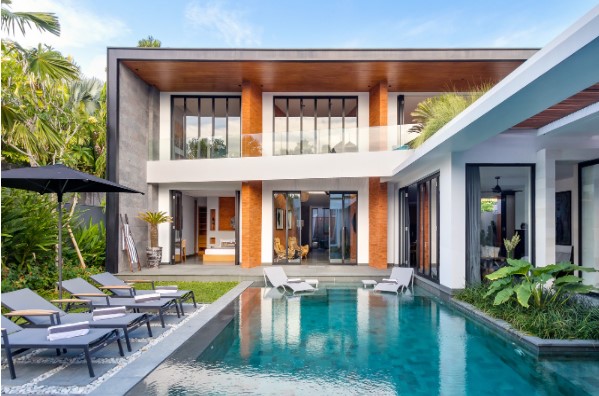
Imagine you move into a Canggu villa for months, everything feels great, then a small water leak starts and you handle it quietly. Months later, at move-out, the landlord says it caused new damage and the deposit is at risk. This is where a long term villa rental bali plan has to go beyond a signed contract, because insurance alone rarely solves the real problem, unclear evidence.
The outcome you want is simple, fair resolution based on facts, not arguments. Before you ever unpack, you set a condition baseline. During the lease, you build incident logs that show what happened and when. After the lease, you provide move-out proof that matches your starting point.
The workflow is straightforward, baseline first, documentation during, and evidence at the end, so everyone can see the same story. When that’s ready, you can compare options, and the long term villa for rent in bali listings can help you start the search.
To document correctly, you first need to understand what insurance, liability, and evidence each do.
What “insurance and documentation” really mean
Liability (who is responsible)
Liability is about who should pay when something goes wrong. In a long term villa rental bali in Canggu, this is usually determined by your lease wording and whether the damage came from your use, your guests, or normal wear.
During the lease, clear communication matters because it helps separate “my fault” from “the villa’s baseline condition.” When you know what counts as your responsibility, you can document only what supports it.
Insurance (what it pays for)
Insurance is the financial safety net, but it is not a substitute for evidence. A policy may cover certain events, yet it still needs documentation, and it usually does not care about your feelings in the moment.
Before move-in, the best move is to understand what insurance is meant to handle, so you do not treat it like permission to skip a condition baseline. For long stays, this prevents surprises at the end of the tenancy.
Evidence trail (what proves the story)
An evidence trail is your proof package, photos, videos, timestamps, and written notes that show what the villa looked like and what changed. This is how you support your side when deposit disputes happen.
During the lease, incident logs are the backbone of that trail. After move-out, your evidence trail should line up with the move-in baseline, so claims do not feel like they come out of nowhere.
Condition baseline (move-in and move-out snapshots)
A condition baseline is the “starting point” record of how the property looked when you took over, plus the “ending point” record at move-out. Think of it as a reference photo set.
If a crack, stain, or appliance issue was already there, your baseline should show it. When it is not, your move-out photos help show what became new damage during the tenancy.
Incident reporting (how events get recorded)
Incident reporting is the simple process of telling the landlord what happened, when it happened, and what you did next. The goal is to keep the story consistent, especially for water leaks and repairs.
When you report quickly and document at the same time, you reduce the gap between the event and the evidence. That makes your long term villa rental bali protection more than just “hoping insurance works out.”
Deposit deductions (where disputes often land)
Deposit deductions are often where disagreements turn into conflict. Landlords may treat deductions as automatic, but tenants still need to verify the claimed damage against the baseline.
If you want fewer headaches, your baseline and incident logs should be easy to retrieve. When you compare long term villa for rent in bali options later, look for places that encourage clear documentation habits from day one.
The next step is building that baseline before you ever unpack.
How to plan before move-in
1. Review the lease and spot the real responsibilities
Start with one goal, figure out who pays for what. Read the clauses on repairs, deposits, damage definitions, notice periods, and dispute steps. This is the fastest way to avoid arguing later in a long term villa rental bali situation.
Write down the answers you can act on. Who approves repairs, how deductions are calculated, and what you must notify in writing should be clear before move-in day.
2. Map insurance needs and ask the landlord the right questions
Insurance helps with money risk, but you still need evidence. Ask the landlord what their coverage is meant to handle, and what events they expect you to report immediately. Then clarify tenant liability, including guests, pets, and any activities that might trigger claims.
Request any documentation they can share, like a general coverage summary or a contact point for incidents. This keeps your planning practical instead of guessing.
3. Build a move-in evidence pack room by room
Take photos and short videos room by room, with wide shots and close-ups. Focus on existing issues, scratches, stains, loose fittings, and any signs of dampness. Set your phone timestamp, then capture a few angles that make the condition obvious.
Do not forget the high-conflict areas. Bathrooms, kitchen fixtures, doors and windows, outdoor drainage paths, and any pool or garden systems can be where damage stories start.
4. Create a written condition report and get acknowledgement
Turn your evidence into a written condition report that matches the lease language. Use the same categories the landlord uses, so your report looks like the “official baseline,” not a personal note.
Have the agent or landlord acknowledge it in writing, email works. If they refuse, save your messages and keep the evidence organized anyway, because your baseline still protects you.
5. Organize evidence so you can find it fast later
Create a folder system that mirrors your report. Use clear naming like “Move-in, Kitchen, Faucet, 2026-05-01” so you can retrieve items during incidents or at move-out.
This is also where you store incident templates and landlord replies. When something breaks, you will not be scrambling for files, and the documentation stays clean and consistent.
Once your baseline exists, the next section is about keeping it accurate during the lease when something goes wrong.
What to do during your lease
Picture month three of your stay in a Canggu villa. A bathroom seal starts leaking, water creeps to the tile edge, and you notice it before it becomes a bigger mess. The first move you make decides whether this becomes a simple repair or a deposit fight in your long term villa rental bali.
Report fast, document once
Tell the landlord right away, using the method the lease requires. Keep it factual, when you noticed it, what you saw, and whether you turned off water or electricity if needed. Save your message and take a few photos immediately, so the condition matches the moment of discovery.
That quick report creates the incident log, and the photos become your first evidence reference for later. Do not wait “until tomorrow,” because delays often weaken the timeline.
Capture evidence like a timeline
After the initial capture, photograph the area in the same spots over time, before and after any drying. Include wider shots that show location, and close-ups that show the exact seal, grout, or fixture line. If you get any repair dates or updates, add them to your notes next to the relevant images.
When you document consistently, you make it easier to separate new damage from existing issues. This matters if you need to explain why the leak looks sudden or why it may have been developing.
Manage repairs with clear authorization
Only proceed with repairs when the landlord or agent approves the plan, unless there is an urgent safety issue. Ask who should contact the contractor, and confirm what will be replaced, not just patched. Keep receipts, item names, and short notes about what was actually done.
This prevents unauthorized repairs from becoming another dispute. By the time you reach move-out, your goal is simple, your final evidence should prove the story from start to finish.
The finish line is move-out proof, where you confirm the final story matches reality.
How to protect yourself at move-out
✅ Final inspection evidence that matches your baseline
At move-out, document the villa like you are finishing a story you started at move-in. Walk the same areas and take photos and videos in the same order, so your condition baseline is easy to match against any claim.
Short clips are fine, as long as they show the exact location. This is what helps you confirm what is new damage versus what was already there.
✅ Wear vs damage clarity tied to dates
When a claim shows up, ask yourself one question, is it new? Your job is to tie evidence to timing, using your move-in pack, incident logs, and the date you reported the problem.
Do not argue opinions. Point to what your photos show and when they were taken, especially for scuffs, fading, and general wear that can look like damage.
✅ Request itemization and supporting proof
If deductions are proposed, request itemization of each item and the supporting cost basis. Ask what the landlord plans to deduct for, and what proof backs it up, like repair quotes or receipts.
This step turns a vague claim into something you can evaluate. It also aligns with how disputes usually land in a long term villa rental bali deposit process.
✅ Resolve collaboratively, but document every decision
Offer a practical middle ground, repair your way or settle item by item, then confirm the agreement in writing. Keep messages factual, and save any approvals, changes, and final totals.
When you document the decision, it becomes part of your evidence trail for the next step.
✅ If disagreement continues, follow the lease process
Organize an evidence packet before escalation. Include the lease terms, your move-in condition report, incident reporting messages, and move-out proof, in one place.
Then follow the dispute steps your contract requires. That is where your baseline evidence starts doing real work, and it leads you into the article conclusion.
Remember, the best defense is an evidence trail that starts at move-in.
“Evidence decides outcomes,” so treat your long term villa rental bali like a story you can prove, not a story you just hope will be believed.
Start with a condition baseline at move-in. Add incident logs during the lease when something happens. Finish with move-out proof that matches what you recorded earlier.
If you want to act today, do three things, request landlord acknowledgement of your move-in report, set up a folder structure for photos and videos with consistent naming, and create an incident-report template to use the next time.
If you are ready to compare options, visit balivillahub.com to find a stay that fits your needs.